
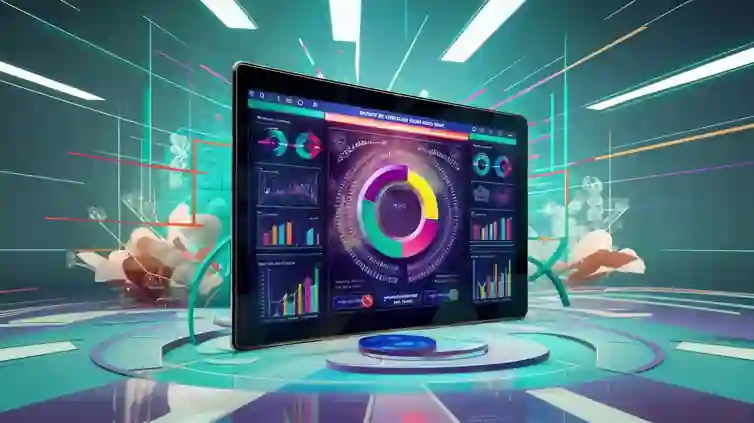
In the rapidly evolving landscape of 2026, Multi-Level Marketing (MLM) has transitioned from a traditional network model into a high-tech digital powerhouse. To stay competitive, modern businesses are abandoning manual tracking in favor of sophisticated, automated software ecosystems. This shift isn’t just about efficiency—it’s about survival in a data-driven global market.
The modern direct selling industry demands instant gratification and absolute transparency. Current software solutions are no longer just “trackers”; they are AI-driven business engines that manage everything from global supply chains to hyper-localized marketing campaigns.?
To scale effectively in 2026, your platform must offer more than just basic math. It needs to provide a seamless experience for both the corporate office and the individual distributor.
📈 Real-Time Predictive Analytics: Move beyond historical data. Use AI to predict which distributors are likely to churn and which regions are poised for a sales breakout.
💸 Automated Multi-Currency Payouts: Whether it’s fiat or stablecoins, your software must handle instant commissions across borders without manual intervention.
📦 Omnichannel Inventory Management: Synchronize your warehouse, dropshipping partners, and distributor stock in one unified dashboard.
35%Average increase in retention for companies using gamified software.
$210B+Projected global value of the direct selling market by late 2026.
82%Of top-tier earners cite mobile app accessibility as their #1 tool.
Many businesses fail because their digital presence feels “thin” or outdated. By integrating a Next-Gen MLM system, you generate organic, high-value data and user interactions that signal quality to search engines like Google.
Modern software helps you stay compliant with global regulations automatically, ensuring that your income claims and product descriptions are always accurate—protecting your brand reputation and your SEO rankings.
1. What is the role of AI in MLM software in 2026?
In 2026, AI drives predictive analytics for lead scoring, automated churn reduction, and personalized marketing paths for distributors.
2. How does MLM software ensure regulatory compliance?
Modern platforms include built-in income disclosure tools and automated monitoring to ensure all claims meet global direct selling regulations.
3. Can MLM software handle crypto and fiat payments simultaneously?
Yes, next-gen systems support hybrid payment gateways, allowing for instant payouts in both traditional currency and stablecoins.
4. What is the importance of a mobile-first MLM platform?
Over 85% of direct selling activities occur on mobile. A mobile-first approach ensures distributors can manage their business on the go.
5. How does automated commission tracking benefit business owners?
It eliminates manual errors, prevents overpayments, and builds trust with distributors through transparent, real-time earnings reports.
6. Is blockchain integration necessary for MLM in 2026?
While not mandatory, blockchain provides an immutable ledger for transactions, significantly increasing transparency and system security.
7. What security features should I look for in MLM software?
Key features include Multi-Factor Authentication (MFA), end-to-end encryption, and regular automated security audits.
8. How does software help in distributor retention?
By providing gamified milestones, easy-to-use training modules, and automated support, software keeps distributors engaged and motivated.
9. Can the software support multiple compensation plans at once?
Yes, advanced 2026 platforms allow for hybrid models, combining Binary, Unilevel, or Matrix plans to suit specific business goals.
10. Does MLM software provide real-time data analytics?
Yes, modern dashboards offer live insights into sales volume, recruitment trends, and inventory levels for data-driven decision making.
Don’t let outdated tech hold your growth back. Embrace the 2026 standard today.