
🔄💻
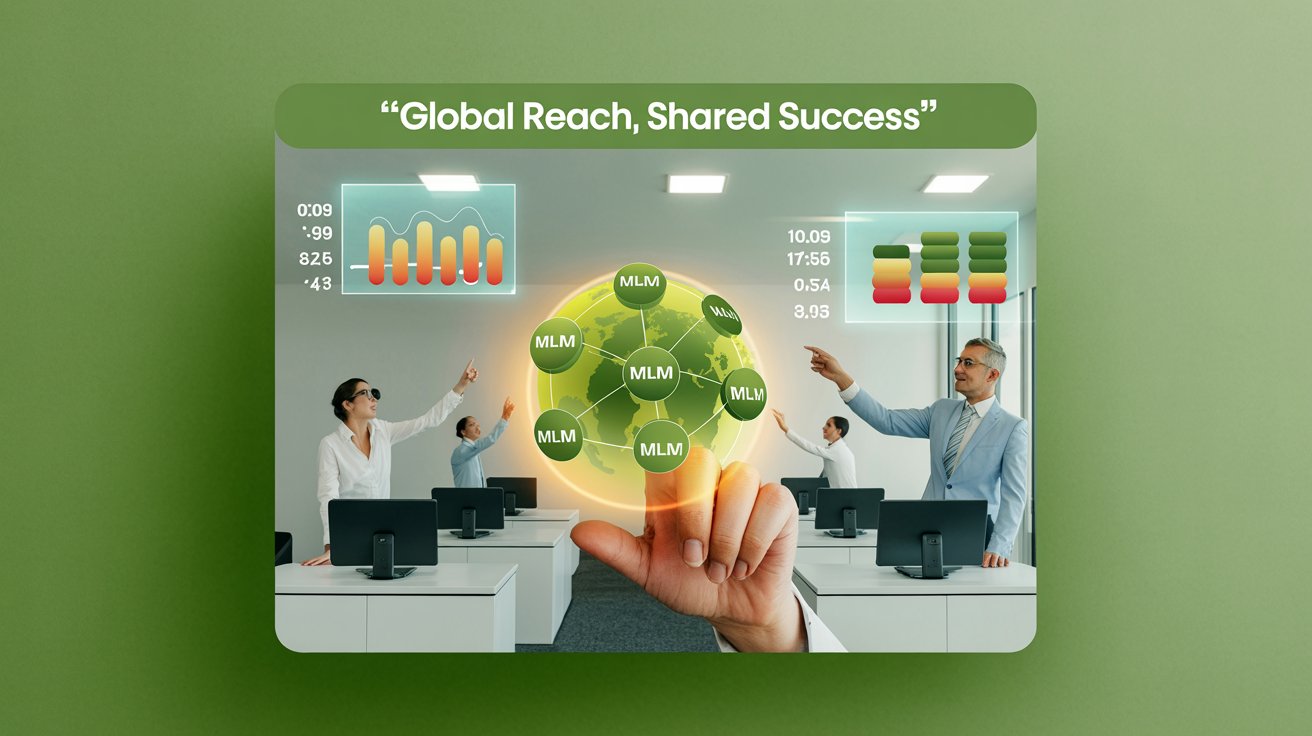
The shift to remote and hybrid work has transformed MLM software architecture from centralized systems into intelligent, distributed ecosystems. Modern MLM platforms now demand robust scalability, real-time data synchronization, and secure global accessibility — all driven by the need to empower teams working from anywhere. The future of MLM isn’t just network-driven; it’s network-enabled, powered by flexible, cloud-native architectures that align with how the workforce actually operates today.
Multi-level marketing thrives on networks — people connecting, sharing, and building distributed teams. As those teams go remote, the very fabric of how MLM businesses operate changes. Offline meetups, physical training sessions, and paper-based commissions have given way to digital dashboards, e-learning platforms, and real-time analytics.
For MLM companies, this means their software backbone must evolve. Traditional, monolithic MLM systems — once optimized for in-house users — now struggle with global accessibility, cross-device compatibility, and performance bottlenecks. The winners in this new era are companies that re-architect their MLM platforms for a decentralized, cloud-first world, ensuring every distributor can work, recruit, and sell seamlessly — whether in an office, at home, or on the move.
In a pre-remote era, many MLM systems ran on tightly coupled architectures hosted on on-premise servers. This design was fine when users operated within a controlled environment. However, the hybrid work model shattered those boundaries.
Today, microservices-based architecture is the backbone of modern MLM software. Each service — from genealogy tracking to commission calculation — operates independently, allowing for faster updates and reduced downtime. A microservices setup enhances agility: when your sales network scales from 500 to 50,000 distributors across continents, your system scales effortlessly too.
At Prime MLM Software, we’ve seen clients transition from single-tier systems to containerized, Kubernetes-driven environments, enabling automated scaling and fault tolerance. This not only improves uptime but also accelerates innovation, letting businesses integrate new compensation plans or affiliate models in weeks instead of months.
Hybrid workforces demand instant access to real-time data, no matter their device or location. A distributor on a tablet in Bangkok should see the same dashboard updates as an administrator in Toronto — instantly and securely.
This requires sophisticated synchronization across distributed databases. MLM software now leverages technologies like GraphQL APIs, data caching, and cloud-based load balancing to deliver seamless, real-time performance.
For example, a binary compensation plan involves complex left-right leg calculations, which can quickly slow down a traditional server. Cloud-optimized systems, however, distribute the load dynamically, keeping response times consistent even during high-traffic events like product launches or payout cycles.
The payoff is more than just performance — it’s trust. When distributors can rely on instant, accurate insights, engagement and retention skyrocket.
Remote access introduces new vulnerabilities. Each device, network, or endpoint adds potential exposure. That’s why the modern MLM architecture must be zero-trust and compliance-first by design.
Advanced MLM platforms now integrate end-to-end encryption, multi-factor authentication (MFA), and role-based access control (RBAC) to ensure only authorized personnel can access sensitive data. Beyond that, cloud-native logging and AI-based threat detection help identify unusual login patterns — like a simultaneous access attempt from two different countries — in real time.
Compliance is equally critical. Whether it’s GDPR in Europe or CCPA in the U.S., MLM companies operating globally must ensure that distributor and customer data are processed responsibly. The latest generation of MLM software embeds compliance frameworks directly into its architecture, ensuring every transaction and record remains auditable.
One of the most underappreciated shifts in MLM operations is the rise of automated collaboration ecosystems. In hybrid environments, it’s not enough for distributors to access dashboards — they must be able to connect, train, and sell digitally.
That’s where automation transforms the game. AI chatbots handle onboarding queries. Workflow engines automate commission approvals and lead assignments. Integrated communication modules allow cross-timezone collaboration via embedded chat or CRM syncs.
Prime MLM Software designs these capabilities into every deployment, enabling companies to manage distributed teams efficiently. The result? Fewer manual interventions, faster decision cycles, and a unified brand experience across every channel.
The evolution toward remote and hybrid work didn’t just influence MLM architecture — it redefined it. Cloud infrastructure, DevOps pipelines, and AI-driven analytics now form the foundation of scalable MLM ecosystems.
Prime MLM Software has been at the forefront of this transformation, deploying cloud-native, modular MLM platforms that support distributed teams, multilingual data access, and automated compliance. Our systems leverage real-time microservices orchestration, global CDN delivery, and AI-based fraud prevention to ensure your MLM operations remain agile, secure, and future-proof — no matter where your team works from.
The key insight: hybrid work isn’t a temporary adjustment — it’s the new default. And MLM software must evolve from rigid systems to living architectures that grow, adapt, and optimize continuously.
🚀
👉 Try the official MLM Software Demo for Your MLM Business
and experience what MLM Software looks like when it’s powered by the best.
💌 Or, check out our blog
to compare top direct-selling companies, get insider reviews, and learn how to grow your income ethically in the wellness niche.
What is the biggest impact of remote work on MLM software?
It drives the shift from centralized systems to distributed, cloud-based architectures.
Why do MLM platforms need microservices now?
To handle scalability, faster updates, and seamless global access for remote users.
How does hybrid work affect data security in MLM systems?
It increases exposure, demanding encryption, MFA, and zero-trust security models.
Can legacy MLM systems support hybrid teams?
Only with modernization — migrating to cloud-based, modular architectures.
How does Prime MLM Software address these changes?
By providing scalable, cloud-native MLM platforms optimized for distributed workforces.
What role does automation play in hybrid MLM operations?
It reduces manual work by automating onboarding, payouts, and communication flows.
Is real-time synchronization important in MLM systems?
Absolutely — it ensures accurate data across teams working in different locations.
How does remote work influence distributor engagement?
Through mobile access, collaborative dashboards, and instant data visibility.
What technologies power modern MLM architecture?
Cloud computing, microservices, AI analytics, and secure API integrations.
What’s next for MLM software evolution?
AI-driven personalization, blockchain for transparency, and global-scale automation.